Planning Your Dream Home: Essential Tips for a Productive Remodeling Project
Designing a perfect home is a detailed process that necessitates thorough coordination. It begins with a clear vision and well-defined goals. Residents must consider their costs and deadlines carefully. Selecting the right materials is essential for both durability and aesthetics. Additionally, choosing trustworthy contractors can significantly impact the project's success. However, even the most thorough preparations can encounter obstacles. Knowing how to address these setbacks is critical for achieving the expected goal.
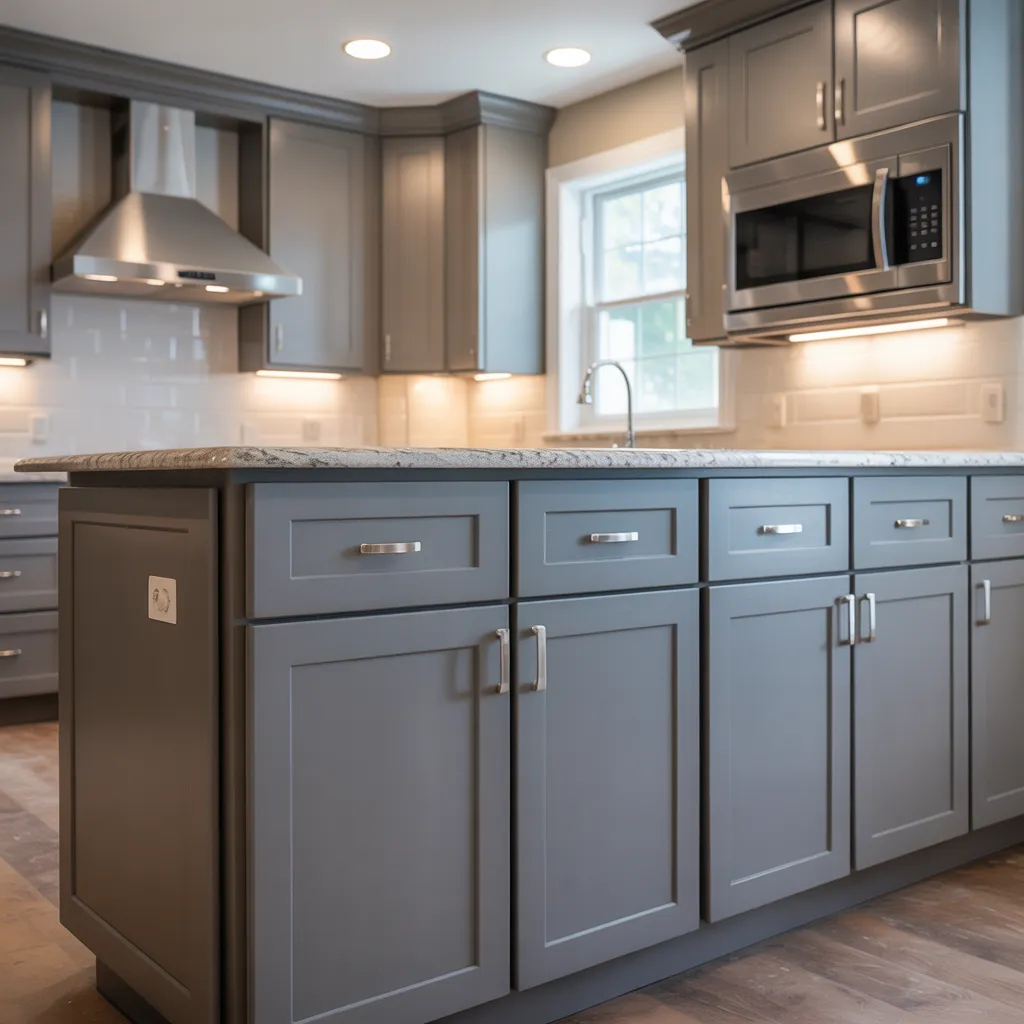
Define Your Vision and Goals for Your Remodel
Establishing a set of goals and a vision for a remodel is vital for ensuring a successful outcome, as it establishes the groundwork for every decision that follows. A defined vision enables homeowners to express what they are looking for from the renovation, whether it's enhancing functionality, elevating the overall look, or boosting the home's value. Objectives should be precise, quantifiable, attainable, applicable, and time-sensitive (SMART), supporting a organized strategy to the renovation process.
Homeowners should consider their day-to-day lifestyle choices and preferences, as well as the architectural design of their property. Participating in creative brainstorming, drawing ideas from design publications or digital resources, and sharing thoughts with household members can help sharpen this creative vision. Focusing on key elements like space optimization, energy conservation, and eco-friendly practices can also inform the remodeling goals. Ultimately, a well-defined vision guides the picking of materials, spatial arrangements, and design details, producing a unified and rewarding end product.
Establish a Practical Budget for Your Remodeling Project
Developing a reasonable budget is essential for any remodeling project. This requires a complete analysis of your financial standing, making sure that funds are sufficient to support intended changes. Prioritizing important renovations will help manage resources wisely, balancing goals with budgetary constraints.
Evaluate Your Financial Situation
When embarking on the journey of transforming a home through remodeling, it is essential to assess one's financial situation to confirm a practical budget is established. This process involves reviewing present income, savings, and applicable financing opportunities. Property owners should plan for potential unexpected costs that may emerge during the remodeling process, ensuring a safety net is included in the budget. Evaluating bids from contractors can provide a clearer picture of anticipated expenses. Furthermore, distinguishing needs from wants will assist in forming informed decisions about what is practically attainable within the financial constraints. By thoroughly reviewing these elements, homeowners can develop a spending framework that matches their goals while sustaining monetary health throughout the remodeling journey.
Prioritize Key Renovations
When homeowners start the journey of renovating their ideal home, identifying key upgrades becomes necessary for developing a reasonable budget. Determining which spaces need urgent updates helps manage resources strategically. To illustrate, prioritizing structural fixes or vital systems including plumbing and electrical guarantees safety and functionality. Furthermore, homeowners should explore cosmetic improvements that boost value, such as kitchen and bathroom renovations.
Creating an ordered list of priorities enables thoughtful decision-making, helping to avoid unnecessary expenditure on non-critical elements. By analyzing the expected return on investment for each renovation, property owners can make informed choices that reflect their objectives while remaining financially responsible. When all is said and done, a clearly defined priority list sets the stage for a successful and budget-conscious remodeling project.
Selecting Durable and Aesthetic Materials for Your Remodel
How can one balance durability with aesthetic appeal when choosing materials for a renovation? This challenge requires careful consideration of both functionality and design. Premium materials, including porcelain tiles and quartz countertops, deliver strong performance while boosting visual appeal. For flooring selections, hardwood or engineered wood delivers lasting durability and elegance, making them highly sought-after choices.
Furthermore, utilizing sustainable materials, such as recycled glass and bamboo, can elevate aesthetics while encouraging sustainability. Color and texture likewise play key roles; choosing finishes that align with the overall design concept can achieve a well-balanced aesthetic without sacrificing strength.
Furthermore, accounting for the particular characteristics of each space is essential. For instance, moisture-resistant materials are necessary in bathrooms and kitchens, while main living spaces may emphasize warmth and comfort. Ultimately, a thoughtful combination of sturdy and appealing materials ensures a remodel that stands the test of time and highlights personal preferences.
How to Choose Trusted Contractors
Choosing trusted contractors is vital for a smooth home project. Homeowners should conduct thorough research on prospective contractors, ensuring they check all essential credentials and permits. Furthermore, evaluating past project experience can provide valuable insights into the contractor's dependability and standard of service.
Research Potential Contractors
When embarking on the journey to create a dream home, selecting the right contractor becomes a vital step that can considerably impact the outcome of the project. Finding the right contractors involves multiple essential steps. To begin, homeowners should seek recommendations from friends, family, or online reviews to build a list of potential candidates. Next, visiting completed projects can provide insights into a contractor's quality of work and dedication. It is also beneficial to arrange interviews, asking about their experience, timelines, and communication preferences. In addition, requesting multiple quotes allows for a greater insight into market rates and available services. By diligently vetting potential contractors, homeowners can ensure they select a professional who understands their needs and can provide excellent outcomes.
Validate Credentials And Licenses
Once you have narrowed down prospective contractors, confirming their credentials and licenses is a critical next step in establishing a reliable working relationship. Property owners should verify that each contractor maintains the required state and local licenses pertinent to their particular trade. Such licenses typically reflect a baseline level of skill and compliance with industry standards. Additionally, verifying insurance coverage is vital; contractors should carry liability insurance to protect against damages and workers' compensation to safeguard against injuries on the job. Homeowners can also consult local regulatory boards or online databases to confirm the validity of these credentials. The reputation of a contractor may be further examined through testimonials and ratings, highlighting the value of diligent screening before committing to a final choice.
Examine Prior Project Experience
A thorough examination of a contractor's prior project portfolio can greatly influence a homeowner's evaluation process. Reviewing completed projects allows homeowners to assess the craftsmanship, approach, and range of a contractor's work. This evaluation can include visiting previous job sites, studying visual documentation, and considering past client reviews. Homeowners should inquire about specific projects similar to their own and request referrals to gain insight into the contractor's trustworthiness and competence. Consistency in delivering high-quality results is essential, as it reflects the contractor's ability to meet expectations. Furthermore, evaluating time management and financial discipline on previous work can provide valuable context for future collaborations. By thoroughly reviewing previous projects, homeowners can reach well-considered decisions when selecting trusted contractors.
Developing a Project Timeline: Essential Steps
Establishing a precise project timeline is essential for those beginning the journey of designing their ideal home. A properly organized timeline helps confirm that all steps of the construction process are carried out effectively. Initially, homeowners should outline their project goals and determine a budget. This serves as the basis for a practical timeline.
Following this step, the team should segment the initiative into separate segments, such as construction, design, and permitting, allocating estimated durations to every segment. It is essential to communicate with experienced contractors to gather their perspectives, as they may supply knowledge about foreseeable challenges and resource availability.
Defining checkpoints during the project enables progress monitoring and timeline adjustments when necessary. In addition, homeowners should account for possible overlaps between phases to maximize efficiency. By adhering to these essential guidelines, individuals can create a thorough timeline that guides them toward a successful remodeling experience.
Navigating Common Remodeling Difficulties
Many homeowners encounter setbacks throughout the renovation process, which can disrupt timelines and budgets. Common issues include unforeseen structural complications, material procurement delays, and misunderstandings between homeowners and contractors. These difficulties frequently cause stress and elevated project costs.
To prevent these issues, homeowners should prioritize thorough planning. Completing a careful evaluation before the project begins can reveal underlying concerns ahead of time. Building strong communication with contractors is also critical; regular check-ins can help handle problems in a timely manner.
Adaptability is essential when dealing with delays. Homeowners should build extra time into their schedules to address unexpected situations. Furthermore, having a financial buffer can provide financial relief when unanticipated costs emerge.
How to Keep Your Remodel Eco-Friendly
Setbacks during remodeling often prompt homeowners to reconsider their approach, particularly regarding ways to adopt environmentally conscious approaches. By prioritizing sustainable materials, homeowners can markedly reduce their project's environmental impact. This involves incorporating reclaimed practical guide wood, bamboo, or recycled metal, which not only minimizes waste but also enhances the home's unique appeal.
Energy-efficient appliances and fixtures are essential; selecting ENERGY STAR-rated products can decrease utility expenses and carbon emissions. Integrating natural light through carefully positioned windows or skylights improves energy efficiency while establishing a more welcoming environment.
Water efficiency may be accomplished by incorporating flow-reducing faucets and water-efficient toilets. Moreover, including proper insulation and high-performance windows helps boost total home comfort and effectiveness.
In conclusion, hiring contractors specializing in sustainable practices ensures that eco-friendly approaches are embedded naturally throughout the remodeling project. This comprehensive approach not only helps the environment but also establishes a cleaner living environment.
Questions We Often Receive
How Do I Determine Which Areas to Renovate First?
To prioritize remodeling areas, it is essential to evaluate functionality, safety, and budget. Essential rooms including kitchens and bathrooms often yield the highest returns. Furthermore, evaluate personal lifestyle needs and potential impact on overall home value.
What Permits Are Required for My Remodeling Project?
When undertaking a remodeling project, the required permits generally consist of zoning, plumbing, electrical, and building permits. Local regulations vary, so consulting with the local building department confirms adherence to regulations and reduces the risk of legal issues during the construction process.
How Do I Make Sure My Remodel Boosts My Home's Value?
To guarantee a renovation boosts home value, homeowners should prioritize popular upgrades such as kitchen and bathroom updates, enhance the home's curb appeal, choose high-quality materials, and consider energy-efficient options that attract future homeowners.
What Are My Options if I Change My Mind During the Process?
Should a change of mind arise in the course of remodeling, the client ought to communicate quickly with the hired contractors, consider the impact on the overall budget and project timeline, and determine whether changes align with the overall project goals prior to making modifications.
How Can I Keep Stress Under Control During My Home Remodeling Project?
To handle stress throughout a home renovation, it is important to stay in consistent contact with contractors, set realistic expectations, create a well-defined project timeline, allow yourself to step away and rest when necessary, and keep the final outcome in mind to ease stress.